
Beyond the EIQ: what AGRITEMIS indicators bring to the table
AGRITEMIS indicators build on the structure of the EIQ while correcting its main methodological limitations, for a more precise and more discriminating assessment of phytosanitary risks.
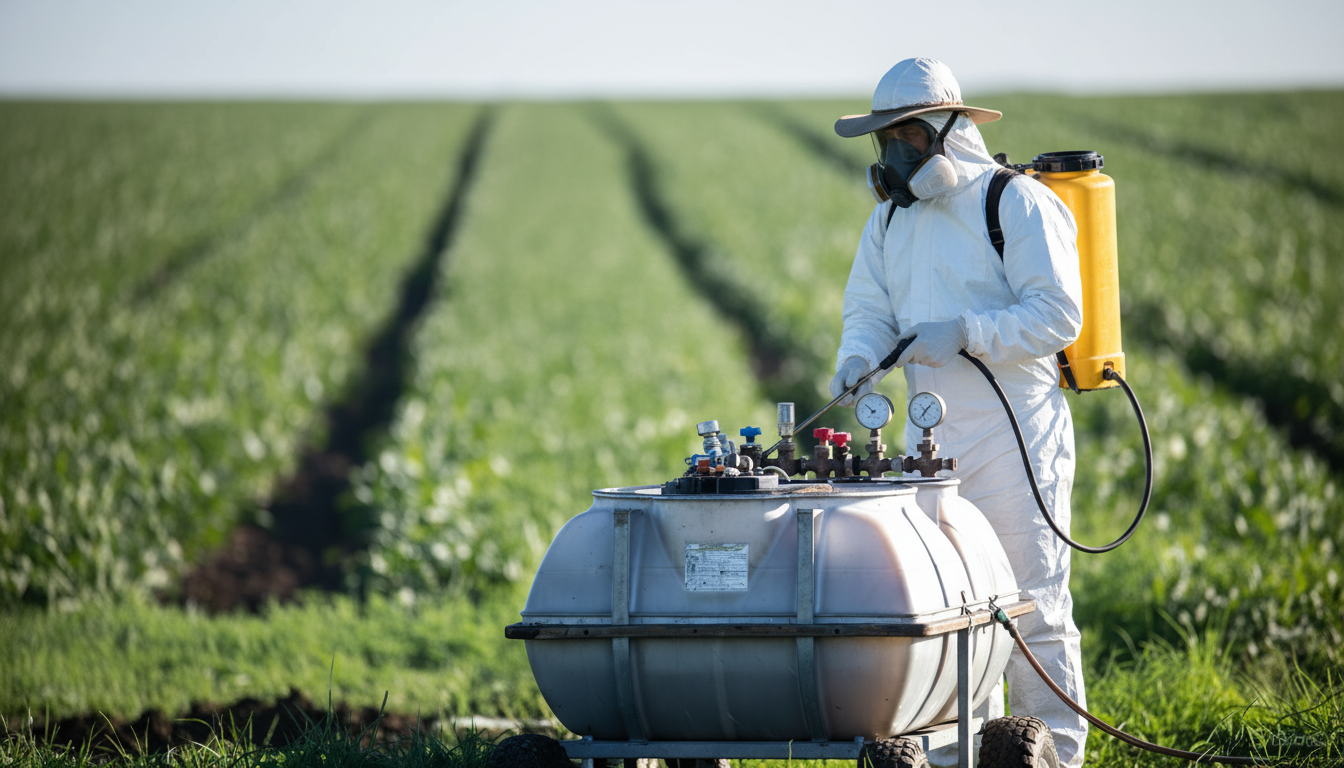
AGRITEMIS indicators address several limitations by integrating new parameters considered essential but absent from the EIQ. They also draw on components from other pesticide risk assessment indicators described in the scientific literature.
THE LIMITATIONS OF THE EIQ
The EIQ, or Environmental Impact Quotient (Kovach, J., Petzoldt, C., Degni, J., and Tette, J. 1992. A method to measure the environmental impact of pesticides. New York's Food and Life Sciences Bulletin 139:1-8.), is a widely used indicator, but its methodology presents several biases documented in the scientific literature.
Asymmetric weighting of criteria
Some factors are over- or under-represented without solid scientific justification, leading to a questionable ranking of pesticides (Kniss & Coburn, 2015).
Absence of a zero value
The toxicity and exposure scales do not allow for situations of non-toxicity or absence of exposure to be represented, which reduces the discriminating power of the indicator (Dushoff et al., 1994).
Score strongly correlated with dose
The EIQ score is strongly correlated with the application dose, which leads to overweighting the quantity applied at the expense of intrinsic toxicity, environmental persistence and effects on non-target organisms (Kniss & Coburn, 2015). This bias can favour highly toxic substances applied at low doses over less hazardous alternatives used at higher doses (Van der Werf, 1996).
"EIQ Farmer" component without a sound basis
Multiplying acute and chronic toxicity conflates distinct types of health risks and can mislead risk management decisions (Kniss & Coburn, 2015).
WHAT AGRITEMIS INDICATORS BRING
AGRITEMIS does not replace the EIQ — it draws inspiration from it and aims to correct structural biases and fill its blind spots, particularly on water risk, metabolites and the separation of acute and chronic risks.
Rebalancing of weighting
AGRITEMIS restores a central role to intrinsic toxicity, correcting the unbalanced weighting of criteria observed in the EIQ.
Introduction of a zero value
The scoring scales include a zero value to represent situations of non-toxicity or absence of exposure, thereby improving the discriminating power of the indicators.
Clear separation of acute and chronic risks
The ARI (acute risk) and CRI (chronic risk) indicators are distinct, avoiding the methodological ambiguities of the "EIQ Farmer" component.
Better consideration of environmental fate
Persistence in soils and crops, volatilisation, mobility towards surface and groundwater, bioaccumulation — these parameters are integrated more comprehensively.
Integration of secondary metabolites
This is a major advance absent from the EIQ: metabolites resulting from the degradation of active substances are taken into account in the risk assessment.
Introduction of the WARI
The WARI (Water Risk Index) does not exist within the EIQ framework. It provides an integrated assessment of risks for aquatic ecosystems and human health via drinking water, jointly considering risks to fish, secondary metabolites and consumer exposure.
A CONCRETE EXAMPLE
The way the EIQ integrates dose effectively masks the intrinsic toxicity of certain active substances. The example below illustrates this bias with two phytosanitary treatments:
