Loading…

Loading…
Regenerative agriculture frameworks measure soil, carbon and biodiversity — but almost never the toxicity of the molecules applied. Yet a decline in input volumes does not mean a decline in risk. Our risk indicators assess the crop protection programmes actually applied in your fibre sourcing areas across four compartments — water, biodiversity, applicator health and soil life — in a way that is comparable from one origin to another and tracked over time.

Our indicators assess a potential risk, built from the programmes actually applied and the properties of the substances used. This risk can be spatialised and adjusted for the environmental context and the way practices are carried out, in order to come as close as possible to real exposure situations.
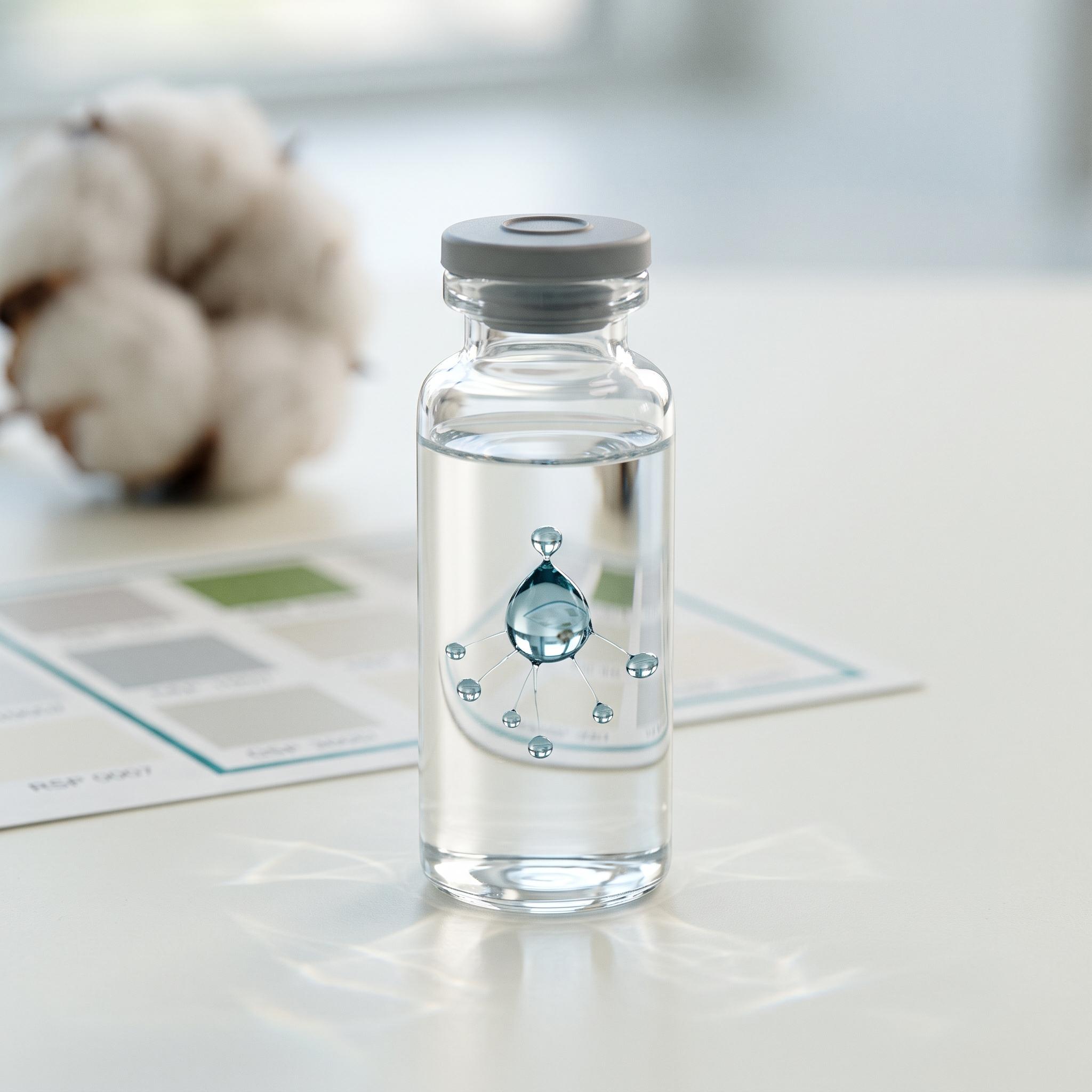
Every declared active substance is checked against the regulatory frameworks you follow: European ban and substitution lists, WHO acute hazard classification, hazard statements for aquatic environments and pollinators. We also flag PFAS and substances whose metabolites are persistent or mobile in water — a blind spot of conventional lists, since a molecule may be authorised while its metabolite is problematic. As these frameworks evolve quickly, the reference grid is kept up to date.
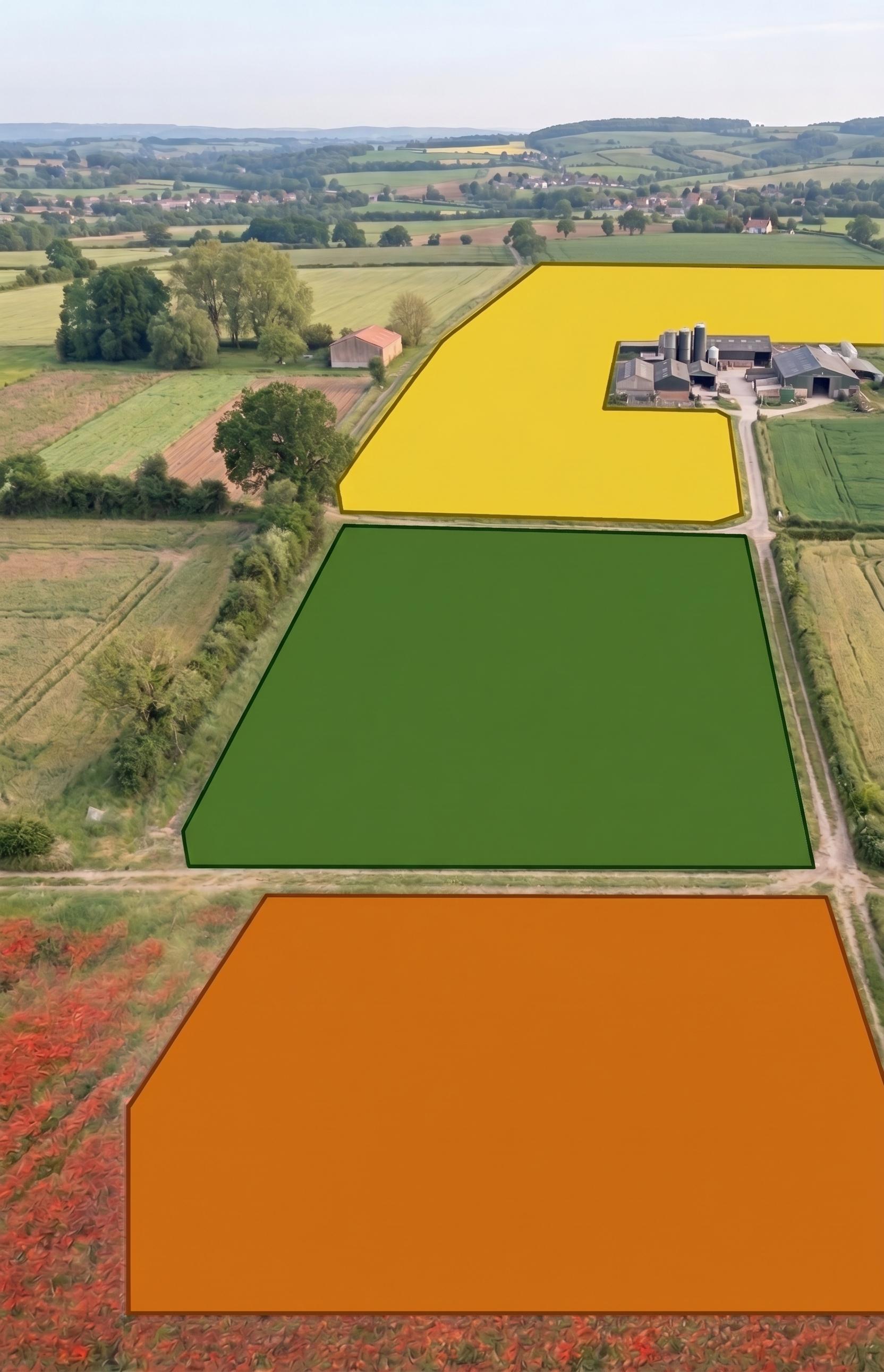
Based on the programmes actually applied, we produce a score broken down across water, biodiversity, worker health and soil life: two farms may use the same volume of inputs with very different risk levels. You can then simulate a programme without critical pesticides and measure the expected risk reduction, compartment by compartment, before writing it into a set of specifications.
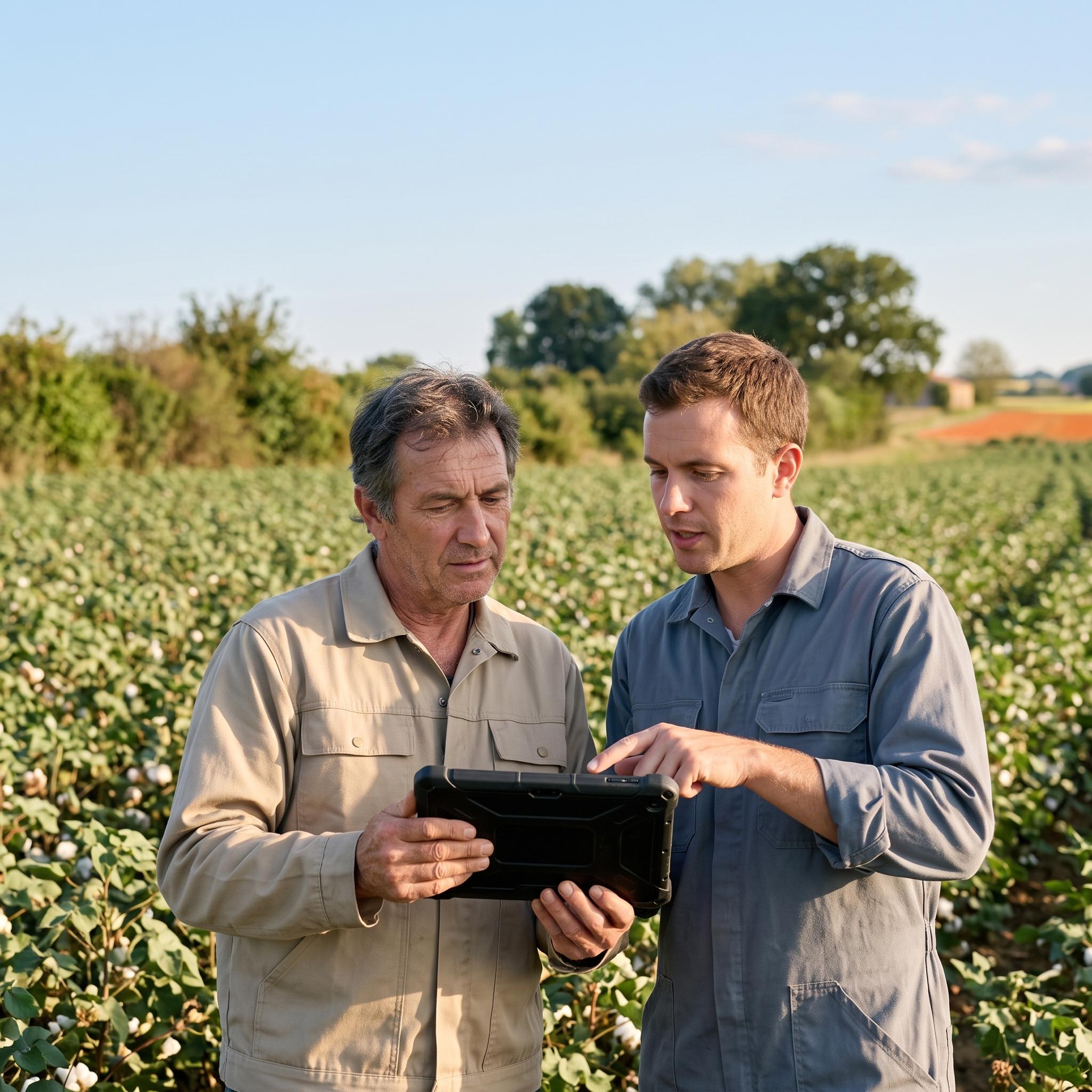
Advisers and producers test the effect of their crop protection strategies on health, biodiversity, water and soil, and are offered alternatives that do not shift the risk to another compartment. Introducing biocontrol, lengthening rotations, reducing the number of passes: each lever translates into a change in risk level, complementing the soil, carbon and biodiversity indicators already tracked in your regenerative programmes. Results can be exported for CSRD, duty of vigilance and your supplier reviews.
A layer of scientific assessment, complementary to your certifications
1,000+
active substances, primary and secondary metabolites and PFAS modelled
10 years
of experience on the issue of pesticide toxicity
4
compartments assessed
We get back to you within 24h.